 Awards of World War II
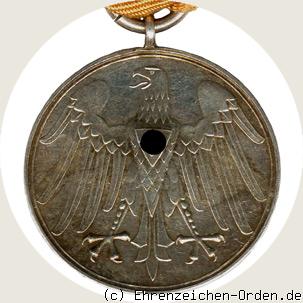 Obverse: Salvation Medal 1933
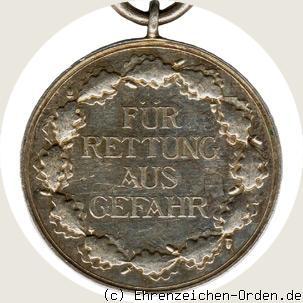 Reverse: Salvation Medal 1933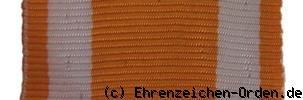
Established:
June 22, 1933 Reich President von Hindenburg
Awarded:
1933 – 1945
Data:
- Material: Silver
- Size: 25.5mm
- Weight: 7.8g
estimated collector price:
370 – 390 €
OEK Number:
3499
The medal was established by decree of Reich President von Hindenburg on June 22, 1933. The law on titles, orders and badges of honor of April 7 also prohibited the awarding of rescue medals to individual German states. The final date for awarding already known acts of salvation was April 8, 1934. Simultaneously with the rescue medal (on the ribbon), a commemorative medal for escape from danger (intolerance to 50 mm) was also established. As before, salvation must be rewarded at the cost of one's own life. The medal on the ribbon was to be awarded to those rescuers who were in particularly significant danger of their own. The Hazard Rescue Medal was for lifeguards who were "only" in significant danger. The Reich Minister of the Interior petitioned for the award. The Minister of Defense was responsible for soldiers and military officials, and the Reichsfuhrer of Labor was responsible for the imperial labor service. The award of the Medal of Salvation included a document signed by the Reich President. In 1936, the award rules were changed. Both medals could be awarded to the same person only once. Now saving groups of people due to danger to life was also seen as a possible reason for appropriation. Rescuers who had already received a rescue medal on the ribbon were later unable to obtain a commemorative medal for escaping danger. The design of the medals was developed by Professor Hermann Müller-Erfurt. They were minted at the Prussian Mint in Berlin. The following years saw some changes in the proposal system for the respective groups and units in the Nazi system. The documents were signed by the Führer and the Reich Chancellor.
Round silver medal with raised border. On top is a soldered, ordinary eye with a ribbon ring.
Front side:
Downside:
Tape:
Yellow-orange 30 mm with 2 mm edges and 4 mm white edge stripes.
.
Obverse: Salvation Medal 1933
Reverse: Salvation Medal 1933